

Electric Car Charging Stations Explained
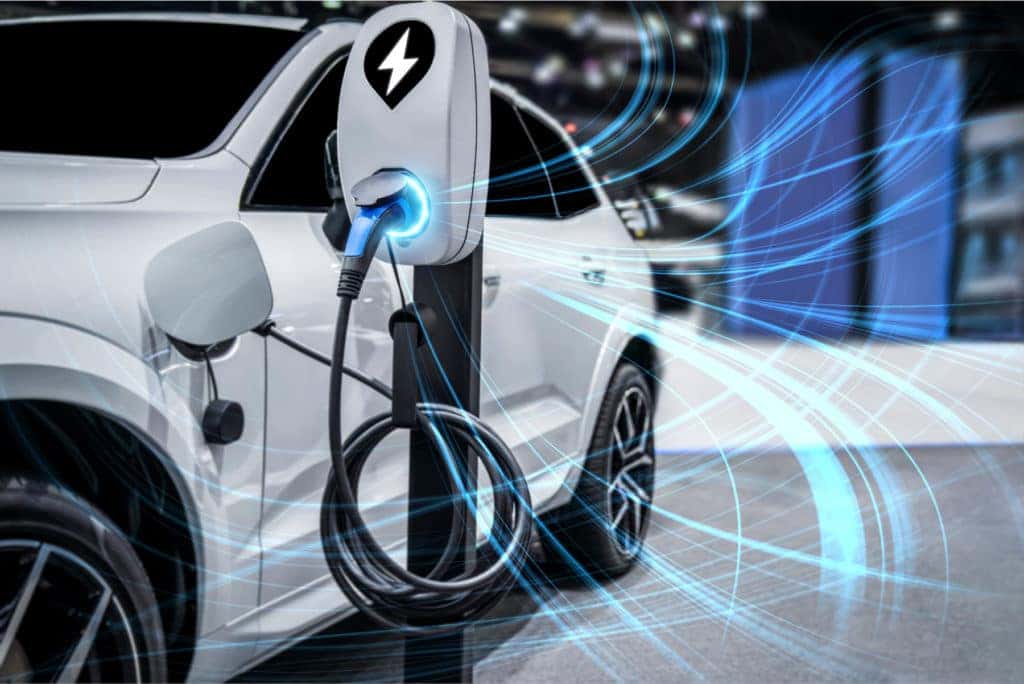
If you’re interested in purchasing an alternative energy vehicle, then it can be useful to learn about car charging stations and how you can keep your vehicle powered up at home and on the go. Here at Woodhouse Ford of Omaha, we’re excited to share alternative energy vehicles that reduce your environmental impact and fuel use. We also offer the information you need to begin driving an EV today, like what the different charging levels really mean.
Types of EV Charging Stations
Alternative energy vehicles offer many benefits to the driver and the earth. And no matter what kind of alternative energy vehicle you purchase, our team wants to ensure you have access to the charging information you need. Here’s a look at the three charging levels explained:
- Level 1 Charging: Level 1 is the charging level with the lowest voltage. Because it takes the most amount of time to charge your vehicle, it is typically reserved for plug-in hybrid models, which have much smaller batteries than fully electric cars. Level 1 charging can be done with the existing outlets in your home.
- Level 2 Charging: Level 2 is the most popular and accessible option for charging your vehicle. You can have a Level 2 charger installed in your home easily and may even be eligible for tax credits to reduce costs. Level 2 charging makes it easy to drive your vehicle every day, as you can fully charge your EV battery overnight.
- Level 3 Charging: Level 3 charging is also known as fast charging. It has the highest voltage option, which means it charges your vehicle the fastest, but is too high for most plug-in hybrid models. The voltage is also too high for residential homes, so Level 3 charging can only be found at public stations.
Find the best new alternative energy Ford vehicles and learn about EV ownership right here at Woodhouse Ford of Omaha.

0 comment(s) so far on Electric Car Charging Stations Explained